
 Mon - Fri: 8am - 5pm
 ADVANCED COMMUNICATIONS GROUP, INC. 6732 S. Airport Rd.West Jordan, UT 84084

The evolution of gambling A journey through diverse cultures
The Origins of Gambling in Ancient Societies
The roots of gambling can be traced back to ancient civilizations, where it was often intertwined with religion and social rituals. In Mesopotamia, one of the earliest known forms of dice was created around 3000 BC, showing that the desire to engage in games of chance is a fundamental aspect of human nature. These dice were made from materials like bones and stones, and their use in games not only provided entertainment but also played a role in divination practices.
Similarly, in ancient China, gambling was present in various forms, including keno, which dates back to the Han Dynasty. The Chinese used it as a way to raise funds for government projects. The game involved selecting characters or numbers and hoping for matches, a concept that remains central to many modern lotteries. These early examples highlight how gambling served multiple purposes, from leisure to community funding.
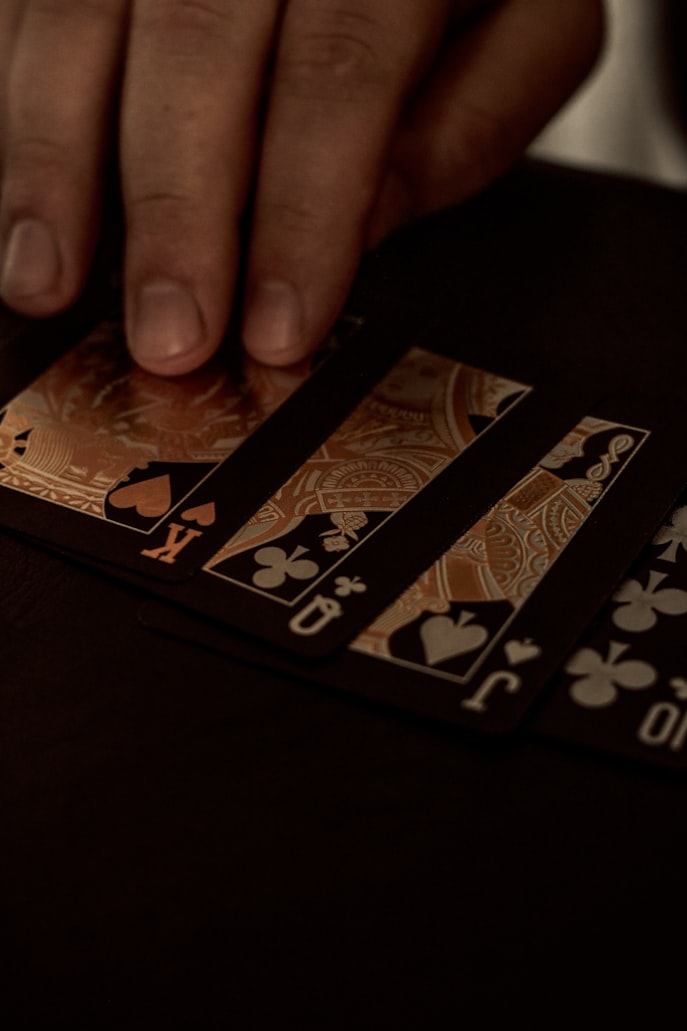
As cultures evolved, so did gambling practices. The Greeks and Romans embraced games of chance as social activities, with betting on gladiatorial contests and chariot races becoming popular. These events were not just spectacles; they were deeply embedded in the social fabric, enhancing community bonds and fostering a competitive spirit among citizens. The acceptance of gambling in these cultures set a precedent for its role in society, paving the way for its global proliferation.
The Influence of Religion on Gambling Practices
Religion has played a significant role in shaping gambling practices across various cultures. In many societies, gambling was viewed as a form of fate or divine intervention. For instance, in ancient Egypt, the games of chance were often linked to the gods, with players invoking their favor. Rituals surrounding these games helped to promote community cohesion, as people gathered to partake in gambling, simultaneously celebrating their beliefs.
Conversely, some religions have condemned gambling as morally questionable. The Abrahamic faiths, including Judaism, Christianity, and Islam, generally view gambling as a vice that leads to greed and moral decay. This has resulted in varying attitudes toward gambling in cultures influenced by these religions, leading to the rise of underground gambling activities in areas where it was deemed illegal. This duality showcases how gambling has been both accepted and rejected, reflecting the complexities of human belief systems.
Interestingly, despite prohibitions, gambling often resurfaces, adapting to societal changes. In recent years, there has been a resurgence of interest in gambling among religious groups, particularly in the form of charitable gambling. This adaptation demonstrates how gambling continues to evolve and integrate into cultural practices, often reflecting the society’s values and needs at the time.
The Evolution of Gambling into Modern Times
As societies progressed through the Middle Ages and into the modern era, gambling continued to transform. The establishment of state-sponsored lotteries in Europe during the 16th century marked a significant shift, as governments recognized the potential for revenue generation through gambling. This led to the formalization of rules and regulations, distinguishing legal gambling from underground activities. Such changes laid the groundwork for the development of casinos in the 17th and 18th centuries, which became fashionable social hubs for the elite.
The Industrial Revolution further revolutionized gambling, introducing mechanized gaming devices and expanding gambling’s reach. The invention of the slot machine in the late 19th century democratized access to gambling, allowing even those from lower socioeconomic backgrounds to participate. This accessibility transformed gambling into a mainstream leisure activity, leading to the establishment of casinos in major cities around the world.
In recent decades, the rise of the internet has created unprecedented opportunities for gambling. Online casinos have emerged, offering a diverse array of games, including traditional card games and innovative slots, all accessible from the comfort of home. This digital revolution has not only expanded the audience but also introduced new forms of gambling, such as esports betting and virtual reality gaming, blending technology with the age-old tradition of chance.
Gambling in Contemporary Global Cultures
Today, gambling is an integral part of many cultures worldwide, with each region contributing its unique twist on the practice. In places like Las Vegas and Macau, gambling has evolved into an entire tourism industry, attracting millions of visitors annually. The glitz and glamour of these locations symbolize the fusion of entertainment, luxury, and chance, showcasing how gambling has become a cultural phenomenon.
Moreover, different cultures have embraced gambling differently, with some celebrating it as a form of entertainment while others view it with skepticism. In countries like Japan, traditional games such as Pachinko illustrate a cultural inclination toward gambling that intertwines with daily life. Conversely, in countries with stringent gambling regulations, underground gambling often thrives, reflecting a cultural dichotomy where desire and legality intersect.
Furthermore, the recent trend towards responsible gambling reflects a growing awareness of the potential risks associated with gambling. Many cultures are adopting measures to promote safer gambling practices, emphasizing the importance of enjoyment over addiction. This shift indicates a maturation of gambling as a cultural institution, where awareness and responsibility coexist with the inherent thrill of chance.
Exploring Online Gambling Platforms
In the current digital age, online gambling platforms have gained immense popularity, providing players with a vast array of games at their fingertips. One noteworthy example is Wildrobin Casino, which offers a wide selection of over 9,000 games from more than 110 top software providers. This level of diversity allows players to explore various gaming options, catering to both casual gamers and serious gamblers.
Wildrobin Casino stands out with its generous bonuses, including a welcome package that can reach up to $5,000 CAD plus 350 free spins. Such promotions not only attract new players but also encourage a loyal customer base, providing ample opportunities for players to maximize their winning potential. The user-friendly interface and seamless navigation enhance the overall gaming experience, making it accessible for both experienced and novice players.
Additionally, Wildrobin Casino places a strong emphasis on security and customer support, ensuring that players can engage in gambling with peace of mind. With 24/7 customer service and a commitment to responsible gaming practices, the platform promotes a safe environment for all users. This modern approach to online gambling reflects the evolving nature of the industry, where technology and cultural shifts combine to create exciting opportunities for players around the globe.