
 Mon - Fri: 8am - 5pm
 ADVANCED COMMUNICATIONS GROUP, INC. 6732 S. Airport Rd.West Jordan, UT 84084

Designing a Home Interior in Dubai: A Stage-by-Stage Guide for Beginners
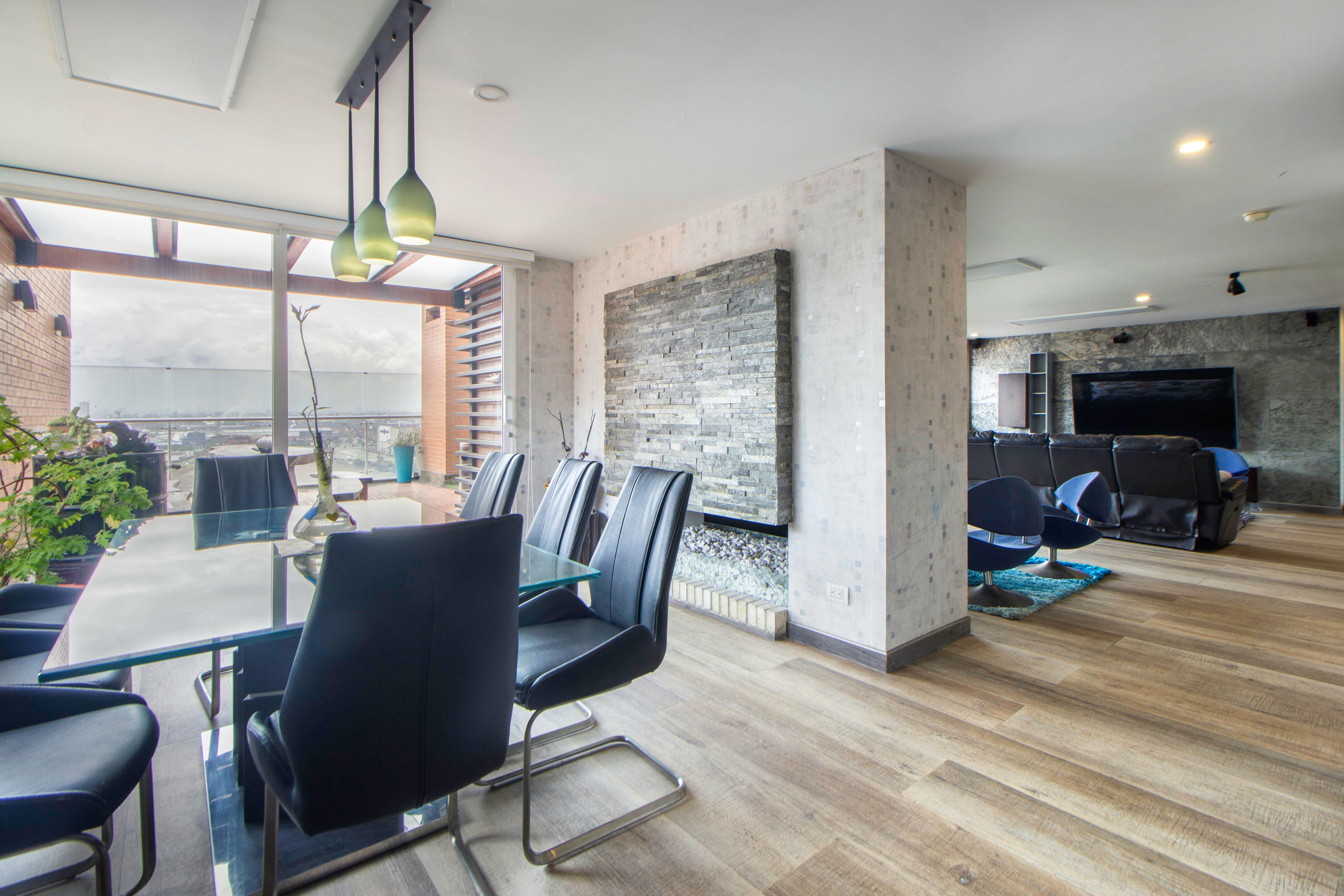
Approaching your first Dubai home is both a joy and a challenge. Whether it is a compact Dubai Marina apartment or a spacious Palm Jumeirah villa that you have just been handed, the choices before you are numerous. The encouraging part is that the whole process grows much less daunting when you divide it into a straightforward run of stages. This starter guide guides you through the entire journey, from early concepts to final styling, using the way projects actually run in the UAE in 2026. Throughout you will come across realistic budget ranges, reasonable schedules, and the essential local approvals. By the finish you should feel confident enough to design a home that looks stunning yet suits daily life in the Emirates.
What Makes Dubai Different for Home Design
Home design in Dubai is not like a job in a milder climate, and understanding them from the start saves money and frustration. Because summers routinely pass 45 degrees Celsius, fabrics, finishes, and materials must stand up to heat, strong sunlight, and fine desert dust. Because coastal humidity in places such as Dubai Marina or Jumeirah can damage timber, many opt for engineered wood, porcelain, and treated surfaces. Because many residents rent instead of owning, a good number of jobs prioritise removable, damage-free upgrades over structural change. Buildings almost always require a No Objection Certificate from the owner or management before any fit-out work begins. Developer handover finishes also vary widely, so one unit might come fully tiled and the next as a bare shell. Holding these local realities in mind from the start steers every later decision.
A Step-by-Step Approach
The most reliable way to approach a home project is to treat it as a run of stages rather than one enormous task. Design studios throughout Dubai use a broadly similar roadmap, and you can borrow the same logic even on a tight budget. The ten steps below progress from understanding how you live interior design company in sharjah to the final day of styling and handover. Each stage builds on the one before, so avoid the urge to skip ahead to buying furniture. What marks the difference between a calm and a stressful project is taking the early planning stages seriously. Read through the full list once before you begin so you can see where you are headed.
- Work out how you actually live: record your daily habits, who uses each room, and what annoys you about your current home.
- Agree a realistic budget and keep back roughly 10 to 15 percent as a contingency for surprises.
- Collect visual references, keeping images you like and spotting patterns in colour, texture, and mood.
- Take every measurement, because accurate room dimensions, ceiling heights, and socket positions prevent expensive mistakes later.
- Choose a style direction that suits both your taste and the architecture of your building.
- Plan the layout, arranging furniture zones for flow, natural light, and the way air conditioning reaches each seat.
- Select materials and finishes that stand up to Dubai heat, humidity, and regular cleaning.
- Lock in approvals, obtaining the building NOC and any fit-out permit before contractors lift a single tool.
- Run the works, managing trades, ordering long-lead items early, and checking progress at regular intervals.
- Style and snag, bringing in lighting, textiles, and accessories, then noting any defects for the team to fix.
Getting the Budget Right
Budget is the single question that shapes everything else, so it deserves honest attention before you fall in love with a look. As a 2026 market estimate, a straightforward apartment refresh in Dubai often runs from around AED 200,000 to AED 340,000, while a mid-range scheme lands closer to AED 400,000 to AED 750,000. Turnkey interior and fit-out work is often priced per square foot, with standard residential rates around AED 75 to AED 250 and mid-tier schemes near AED 200 to AED 400. Luxury villas and penthouses can rise well beyond AED 600 to AED 1,200 per square foot once bespoke joinery and imported stone enter the picture. Design-only fees are commonly charged at roughly 10 to 20 percent of the project budget, or by the square foot. Keep in mind that these numbers are market ranges, not fixed quotes, so use them for planning. The table below summarises typical 2026 estimates to help you frame your own numbers.
| Home type | Project scope | Estimated total, 2026 (AED) | Typical duration |
|---|---|---|---|
| 1-2 bed apartment | Budget refresh | 200,000 – 340,000 | 6 – 8 weeks |
| 2-3 bed apartment | Mid-range fit-out | 400,000 – 750,000 | 8 – 10 weeks |
| 3-4 bed villa | Full refurbishment | 250,000 – 600,000 | 10 – 14 weeks |
| Premium villa | Turnkey bespoke | 600,000 – 2,000,000+ | 20 – 36 weeks |
Understanding the Timeline
Time is easy to underestimate, especially for first-time clients who expect a home to come together in a fortnight. In practice, a typical Dubai apartment project takes around 6 to 10 weeks from the start of work to handover, assuming decisions are made promptly. A villa typically takes 10 to 14 weeks, while large luxury homes can extend to between 20 and 36 weeks where bespoke elements feature. Across that span, expect roughly 2 to 4 weeks for concept, a further 4 to 8 weeks for detailed design, and another 2 to 6 weeks for permits or NOC approvals. Execution on site commonly runs 4 to 8 weeks, followed by a short snagging window of 1 to 2 weeks. Most delays trace back to slow decisions, imported goods stuck in transit, or approvals postponed until the last minute. A little buffer built into the plan keeps the whole thing stress-free.
Permits and Building Rules
The part beginners overlook most is approvals, and ignoring them can bring a project to a halt overnight. Before any fit-out or renovation begins, you generally need a No Objection Certificate from the building owner or management company. After that, a fit-out permit is applied for through the relevant authority, usually Dubai Municipality across most of the city. Some communities and free zones fall under the Dubai Development Authority or Trakhees instead, so confirm which body governs your address. Anything affecting fire safety must satisfy Dubai Civil Defence, and utility changes involve DEWA. As a rough 2026 guide, standard approvals are often processed within about 3 to 10 working days. Building these steps into your timeline from the outset avoids costly stop-work surprises.
Beginner Mistakes to Avoid
Almost every first-time client stumbles on the same few predictable mistakes, and awareness alone lets you dodge them. Most of these slip-ups stem from hurrying ahead or skipping the planning stages outlined above. Typically they drain money, waste time, or leave you with a daily compromise you cannot unsee. The good news is that every one is easy to avoid once you know to look for it. Keep the short checklist below close as you plan and revisit it before every big decision. A bit of care now saves plenty of regret later.
- Purchasing furniture before the layout is finalised, which leads to pieces that do not fit the room.
- Putting lighting off until the end, when good schemes plan ambient, task, and accent layers early.
- Forgetting the contingency fund, so any surprise turns into a stressful budget crisis.
- Picking delicate finishes that cannot cope with heat, humidity, or frequent cleaning.
- Leaving approvals late, which can freeze the whole project for days or weeks.
Making Your Dubai Home Come Together
With a clear sequence laid out, a first home project in Dubai turns into a run of manageable decisions instead of one daunting leap. First work out how you genuinely live, and let the budget, layout, and materials fall into place around it. Respect the local realities of climate, approvals, and handover conditions, and you will avoid the traps that catch most beginners. Established studios like Zen Interiors and Muse Design demonstrate how turnkey planning keeps a project coordinated from concept to styling, and the same thinking scales down to smaller homes. Protect your contingency, decide quickly, and build a realistic timeline that allows for permits. Treat every figure here as a 2026 market estimate to guide your thinking rather than a fixed price. Get those right, and your Dubai home will come together far more calmly than you expected.