
 Mon - Fri: 8am - 5pm
 ADVANCED COMMUNICATIONS GROUP, INC. 6732 S. Airport Rd.West Jordan, UT 84084

Understanding the Concept of Bluffing
Bluffing is an essential element in the game of poker, particularly in casino settings where stakes are high, and competition is fierce. At its core, bluffing involves misleading your opponents into believing that your hand is stronger than it actually is. This psychological strategy can be a powerful tool for a poker player, as it can lead to opponents folding superior hands and ultimately allowing the bluffer to win the pot without needing the best cards. Many players also explore options like casino neosurf to enhance their gaming experience, mastering bluffing requires a deep understanding of both your own playing style and that of your opponents.
In a casino poker game, where players come from diverse backgrounds and levels of experience, recognizing the right moments to bluff is crucial. A well-timed bluff can not only win you a hand but also build your table image, influencing how your opponents perceive your betting patterns. Experienced players often use bluffing to create opportunities; for instance, if they consistently play aggressively, their future bluffs may gain more credibility, leading to greater success.
However, bluffing is not merely about making wild bets or raises; it requires a strategic mindset. Players must assess factors such as the table dynamics, the tendencies of other players, and the game context. Successful bluffers often exhibit a calm demeanor, compelling body language, and a keen sense of observation, enabling them to navigate the complexities of the game and execute their strategies with finesse.
The Psychology of Opponents
Understanding the psychology of opponents is vital for effective bluffing in casino poker. Every player has their unique tendencies and psychological triggers that can be exploited. For instance, some players may be overly cautious, while others might be more aggressive. By observing your opponents’ behaviors, you can tailor your bluffing strategy to maximize its impact.
Pay attention to betting patterns, facial expressions, and body language, as these cues can reveal a lot about a player’s confidence in their hand. A player who seems anxious or fidgety might be holding a weaker hand, making them more susceptible to a bluff. Conversely, a confident player displaying relaxed body language might indicate strength, thus challenging you to rethink your strategy. Adjusting your approach based on these observations is key to successful bluffing.

Furthermore, understanding when to bluff is just as important as knowing how to bluff. Bluffing against a loose player who tends to call many bets might be less effective than bluffing against a tighter player who is more prone to folding. Analyzing the table’s overall mood and responding to it appropriately can significantly influence your success rate when engaging in this psychological battle.
Different Bluffing Techniques
There are various bluffing techniques that players can employ to increase their chances of success at the poker table. One common method is the semi-bluff, where a player raises or bets with a drawing hand that has potential to improve. This strategy not only puts pressure on opponents but also provides the opportunity to win if the hand improves on subsequent streets. Semi-bluffing can be particularly effective in multi-way pots, where the chances of opponents folding are heightened.
Another technique is the continuation bet, where a player who raised pre-flop follows up with a bet on the flop, regardless of whether they improved their hand. This approach can convince opponents that the initial aggressor has a strong hand, making it more likely they will fold. Creating a consistent pattern with continuation betting can effectively mask future bluffs, making this technique a staple in a seasoned poker player’s arsenal.
Moreover, the “reverse bluff” is an advanced technique that involves showing strength while actually holding a weaker hand. For instance, by making a large bet with a low pair, players can instill fear in their opponents, convincing them to fold their potentially better hands. Mastering these different techniques allows players the flexibility to adapt their strategies based on the dynamics of the game and the behavior of their opponents.
Reading the Table and Timing Your Bluff
Reading the table is a critical aspect of determining when to bluff in poker. Each player contributes to the overall dynamics and atmosphere of the game, and being aware of these factors can enable you to make informed decisions. For instance, if the table is tight and players are generally cautious, it may present an ideal opportunity to execute a well-timed bluff. Conversely, in a loose game where players frequently call bets, bluffing may be less effective.
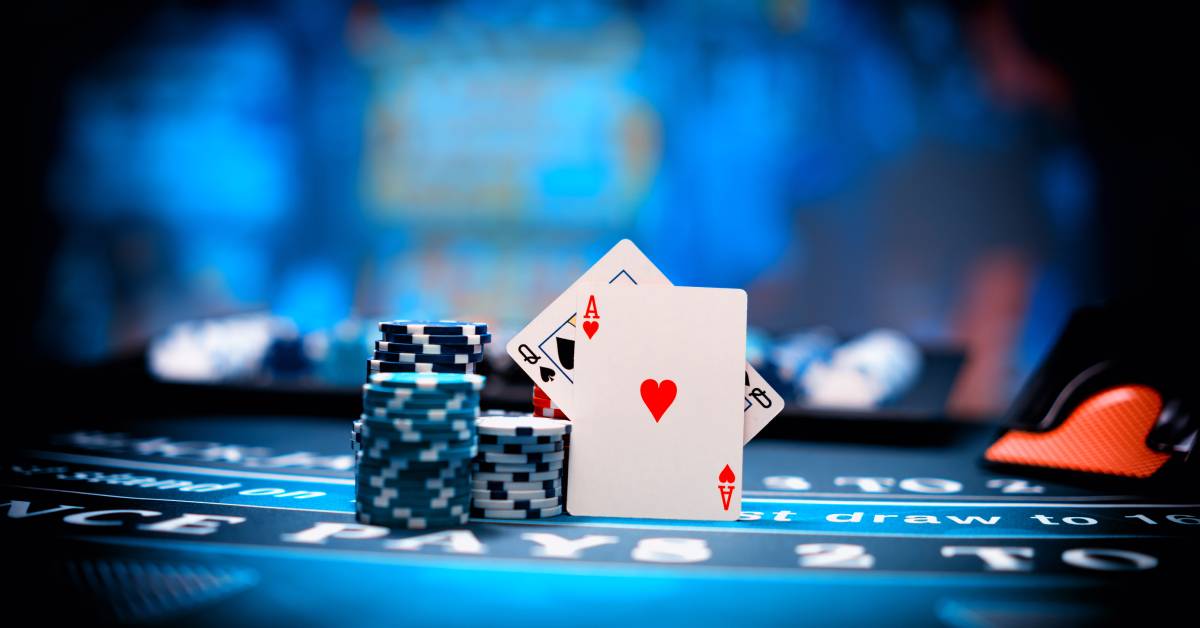
Additionally, timing is crucial when attempting a bluff. Bluffing too frequently can result in losing credibility at the table, while waiting too long may lead to missed opportunities. The best time to bluff often coincides with moments of perceived weakness from opponents, such as when the board presents unfavorable cards for their potential hands. Assessing your opponents’ reactions to the community cards can guide you in choosing the perfect moment to strike.
Moreover, situational awareness extends to acknowledging your stack size in relation to others at the table. Players with shorter stacks may be more inclined to call your bluff to protect their tournament life, while deeper-stacked players may be more willing to gamble. Understanding these dynamics helps refine your bluffing strategy, ensuring that you remain a formidable opponent at the casino poker table.
Enhancing Your Bluffing Skills with Practice
Improving your bluffing skills requires consistent practice and experience. Engaging in regular poker games, whether in casinos or online platforms, can provide valuable insights and help develop your intuition for successful bluffing. Each game serves as an opportunity to analyze your techniques and refine your approach based on real-time feedback from opponents.
Another effective way to enhance your skills is through studying poker literature, watching professional players, and analyzing their bluffing strategies. Many accomplished poker players share their experiences, tips, and tricks through videos, books, and online forums. By immersing yourself in the poker community, you can gain diverse perspectives and insights into successful bluffing tactics.
Finally, consider utilizing poker simulators and apps that allow you to practice bluffing in controlled environments. These tools often provide scenarios to evaluate how your bluffing techniques hold up against various strategies. Combining theoretical knowledge with practical application can accelerate your learning curve, allowing you to master the art of bluffing in casino poker effectively.