
 Mon - Fri: 8am - 5pm
 ADVANCED COMMUNICATIONS GROUP, INC. 6732 S. Airport Rd.West Jordan, UT 84084

The Concept of Luck in Gambling
Luck is a term frequently associated with gambling, especially in environments like casinos where chance dictates outcomes. This perception stems from the unpredictable nature of games such as slots, roulette, and blackjack. While players often attribute their wins and losses to luck, a more accurate understanding involves statistics and probabilities, which provide a framework for analyzing potential outcomes, including nrl betting tips that can enhance decision-making strategies. Luck, in a mathematical sense, can be viewed as a variable that may influence short-term results, but its role diminishes when considering long-term expectations.
In casino games, luck can be misinterpreted as an inherent characteristic that some players possess. However, each game is designed with specific odds, offering a glimpse into how probability operates within this space. For instance, in a game of roulette, the odds are mathematical, dictating that every spin is independent of the previous one. This is contrary to the belief some players hold that previous spins can influence future outcomes—a fallacy known as the gambler’s fallacy. Understanding these nuances helps players navigate their expectations and approach the games with a more informed mindset.
Moreover, the psychology of luck plays a significant role in the casino experience. Players often seek rituals or lucky charms, reflecting a deeper human desire for control over randomness. While these actions may provide temporary emotional satisfaction, they do not alter the statistical reality of the game. Thus, recognizing the distinction between emotional responses and measurable luck is critical for anyone serious about gambling, especially when aiming for consistent outcomes.
The Mathematical Framework of Gambling
The role of mathematics in gambling cannot be overstated. Every game in a casino is designed with a known house edge, reflecting the statistical advantage the casino has over players. This edge is expressed as a percentage, indicating the average loss a player can expect over time. For example, in blackjack, the house edge varies based on the specific rules and how players use strategies, often hovering around one percent. This number serves as a reminder that while luck may impact short-term results, the long-term perspective is always skewed in favor of the house.
Probability theory offers a foundation for understanding how games work. Each game has a finite number of outcomes, and statistical analysis can predict the likelihood of various results. For instance, in a standard deck of cards used for poker, the combinations of hands possible are vast, but they can be calculated. Knowledge of these probabilities empowers players, allowing them to make informed decisions based on statistical likelihood rather than relying solely on luck. The more players understand these concepts, the better equipped they are to approach their gambling strategically.
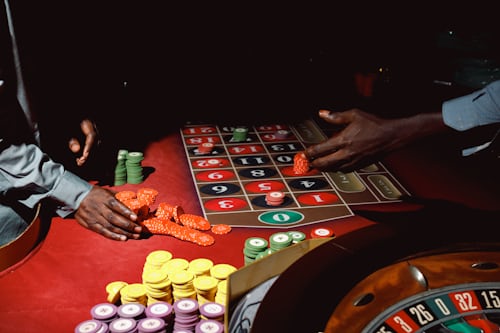
In addition to the house edge, players should also consider variance and volatility in games. Some games might have high volatility, where players experience large swings in their bankrolls, while others might feature low volatility, leading to smaller, more frequent wins. Understanding these elements can help players align their strategies with their risk tolerance and financial goals. Ultimately, familiarity with the underlying mathematics can illuminate the role of luck, making it seem less random and more a product of understanding and strategic play.
The Role of Strategy in Maximizing Outcomes
While luck undeniably affects individual game outcomes, strategy plays a crucial role in maximizing a player’s potential for success. In games like poker or blackjack, players can use specific strategies to enhance their chances, contrasting with games such as slots and roulette, where outcomes are purely random. Knowing when to bet, how much to wager, and when to walk away are essential components that influence overall success. Players who delve into learning strategic approaches are more likely to experience favorable outcomes over time.
In blackjack, for example, players can utilize basic strategy charts which dictate the best possible moves based on their cards versus the dealer’s. This strategic decision-making minimizes the house edge significantly. Similarly, poker involves not just understanding the odds but also reading opponents, utilizing bluffing techniques, and managing one’s bankroll strategically. This multifaceted approach underscores that while luck can provide short-term wins, it is a well-honed strategy that can lead to sustained success.
The importance of patience and discipline in a player’s strategy cannot be overstated. Gambling can evoke emotional responses that might lead to impulsive decisions. For serious players, maintaining composure and sticking to a well-thought-out game plan often yields better results. Moreover, setting limits on both time and money spent can protect players from the whims of luck, allowing them to engage in a more controlled manner. Overall, an analytical approach that combines knowledge of the game, statistical awareness, and emotional discipline enhances a player’s experience in casino environments.
The Influence of Randomness and Variance
Despite the strategic elements and probabilistic frameworks in play, randomness is an intrinsic characteristic of casino games. Every spin of a slot machine or roll of the dice is independent, allowing for the unpredictable nature that keeps players returning. This randomness can lead to streaks of wins or losses that may seem influenced by luck but are statistically expected over an extended period. Players should recognize that experiencing fluctuations is part of the gambling experience and does not necessarily reflect their skill or luck.
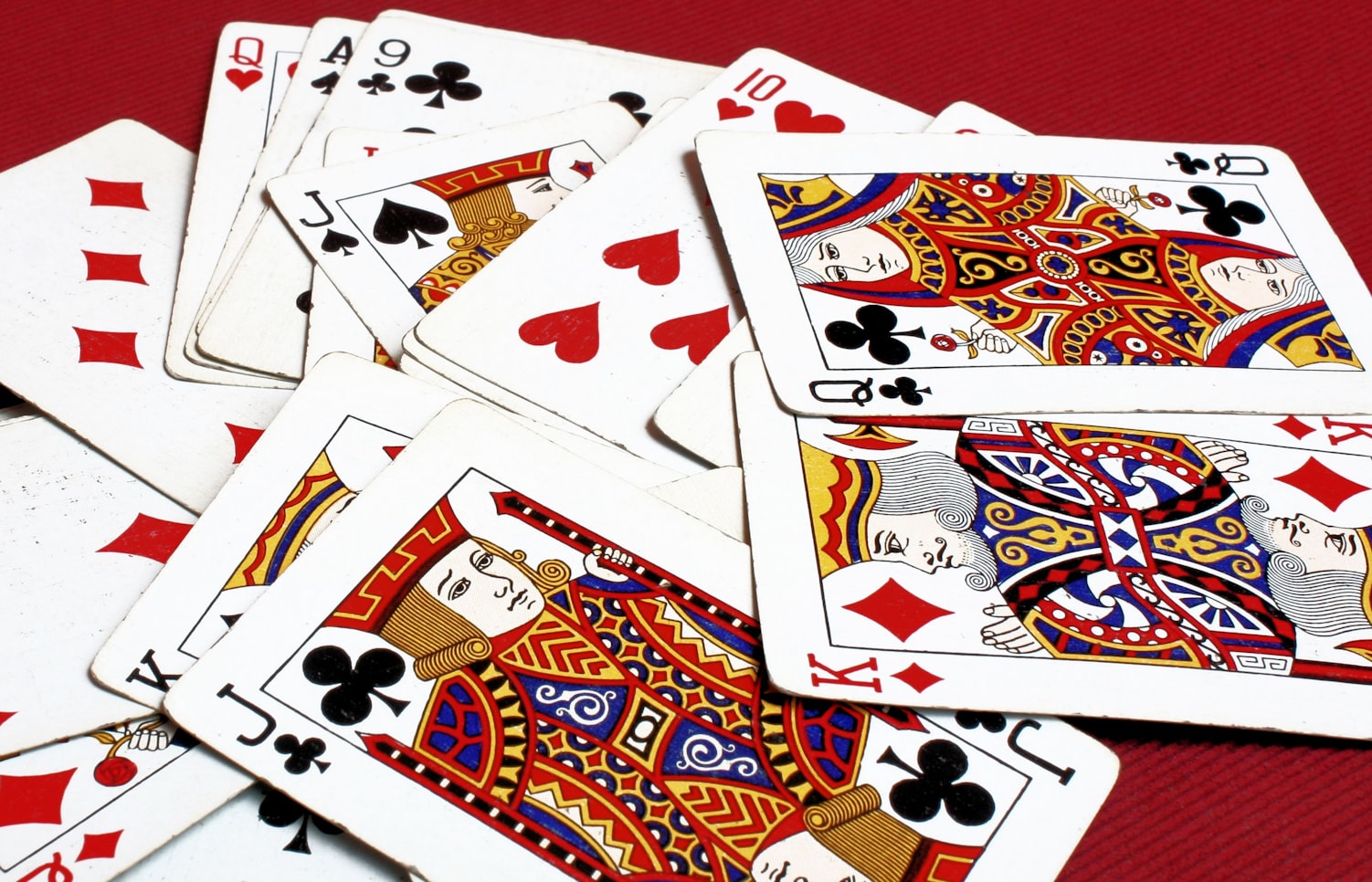
Variance is a related concept that showcases how much a game’s results can deviate from expected outcomes. Games with high variance can lead to long losing streaks, followed by significant wins, while low variance games tend to produce consistent, smaller wins. Understanding variance helps players manage their expectations and emotional responses to losses. Recognizing that even the most skilled player will experience both peaks and valleys can provide a more balanced perspective on luck in the gambling environment.
Many players often fall into the trap of attributing their results to personal luck without acknowledging the nature of randomness. This misconception can lead to overconfidence in winning streaks or despair during losing streaks. Analyzing results through a statistical lens allows players to appreciate the ebbs and flows of luck while maintaining a realistic outlook on their performance. Emphasizing understanding over superstition can lead to a healthier relationship with gambling and enhance overall enjoyment.
Exploring Further on Statistical Gambling
If you are interested in the intersection of luck and statistics in casino settings, there are many resources available to expand your knowledge. Understanding probability, house edges, and game strategies can significantly enhance a player’s experience and decision-making process. Engaging with online forums, reading books on gambling strategy, and even participating in simulations can all contribute to a deeper understanding of how luck is measured and its impact on gambling outcomes.
Moreover, many websites offer analytical tools that allow players to assess their strategies and track results over time. By treating gambling as a skill-based activity rather than purely a game of luck, individuals can develop a more nuanced perspective. The more informed players are about statistics, the better they can engage with their chosen games and potentially mitigate the influence of luck on their overall experience.
Remember that gambling should always be approached with caution and realistic expectations. Recognizing the role of luck as part of a broader statistical context allows for a more fulfilling experience. Whether you’re a novice or an experienced player, continuing to learn and adapt your strategies can lead to a richer understanding and enjoyment of the gambling world.